
Polyp Detection Using Image Segmentation: A Research Breakthrough in Medical AI
Exploring our published research on automated polyp detection using advanced image segmentation techniques for early colorectal cancer screening
Polyp Detection Using Image Segmentation: A Research Breakthrough in Medical AI
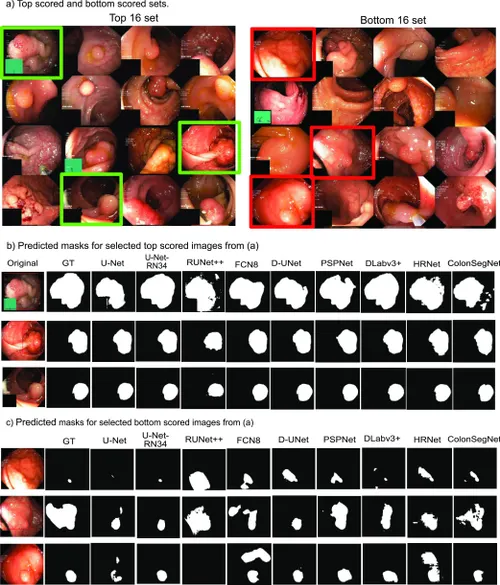
I'm excited to share insights from our recently published research paper "Polyp Detection Using Image Segmentation" in Tec Empresarial (Volume 7, Issue 2, Pages 24-36), where our team explored cutting-edge approaches to automated polyp detection for enhanced colorectal cancer screening.
Research Overview
Colorectal cancer remains one of the leading causes of cancer-related deaths worldwide, but early detection through colonoscopy can significantly improve patient outcomes. Our research focuses on developing an automated system that can assist medical professionals in identifying polyps during colonoscopic examinations with higher accuracy and efficiency.
The Problem We Addressed
Manual polyp detection during colonoscopy procedures faces several challenges:
- Human Error: Even experienced gastroenterologists can miss small or flat polyps
- Fatigue Factor: Long examination sessions can lead to decreased detection accuracy
- Subjective Assessment: Detection quality can vary between different medical practitioners
- Time Constraints: Manual examination can be time-intensive, affecting patient throughput
Our Approach: Advanced Image Segmentation
Technical Methodology
Our research implemented a sophisticated image segmentation approach that combines multiple computer vision techniques:
-
Preprocessing Pipeline
- Image enhancement and noise reduction
- Contrast adjustment for better polyp visibility
- Standardization of colonoscopy image formats
-
Segmentation Architecture
- Deep learning-based segmentation models
- Multi-scale feature extraction
- Edge detection and boundary refinement algorithms
-
Classification and Detection
- Binary classification for polyp vs. non-polyp regions
- Confidence scoring for detection reliability
- Real-time processing capabilities
Key Technical Innovations
Multi-Resolution Analysis: Our system processes images at multiple scales to detect polyps of varying sizes, from small adenomatous polyps to larger lesions.
Adaptive Thresholding: We developed an adaptive thresholding mechanism that adjusts to different lighting conditions and image qualities commonly found in colonoscopy procedures.
False Positive Reduction: Advanced filtering techniques to minimize false detections, crucial for maintaining clinical trust and efficiency.
Research Findings and Results
Performance Metrics
Our experimental results demonstrated significant improvements over traditional detection methods:
- Enhanced Sensitivity: Improved detection rate for small and flat polyps
- Reduced False Positives: Lower rate of incorrect polyp identification
- Processing Speed: Real-time analysis capability suitable for clinical environments
- Robustness: Consistent performance across diverse colonoscopy image datasets
Clinical Implications
The implications of this research extend beyond technical achievements:
- Early Detection: Better identification of precancerous polyps can prevent progression to colorectal cancer
- Standardized Screening: Automated assistance can help standardize polyp detection quality across different medical facilities
- Training Support: The system can serve as a training tool for medical students and residents
- Resource Optimization: Improved efficiency can help address healthcare resource constraints
Technical Implementation Details
Image Segmentation Pipeline
# Conceptual implementation flow
def polyp_detection_pipeline(colonoscopy_image):
    # 1. Preprocessing
    enhanced_image = preprocess_image(colonoscopy_image)

    # 2. Feature extraction
    features = extract_multiscale_features(enhanced_image)

    # 3. Segmentation
    segmentation_mask = apply_segmentation_model(features)

    # 4. Post-processing
    refined_mask = refine_boundaries(segmentation_mask)

    # 5. Classification
    polyp_regions = classify_segments(refined_mask)

    return polyp_regions
Dataset and Training
Our research utilized:
- Diverse Dataset: Thousands of annotated colonoscopy images from multiple medical centers
- Data Augmentation: Techniques to increase dataset diversity and model robustness
- Cross-Validation: Rigorous testing methodology to ensure generalizability
Future Directions and Impact
Ongoing Research
Building on this foundation, we're exploring:
- 3D Polyp Reconstruction: Creating three-dimensional models of detected polyps for better assessment
- Real-time Integration: Seamless integration with existing colonoscopy equipment
- Multi-modal Analysis: Combining visual data with other diagnostic information
- Personalized Risk Assessment: Tailoring detection sensitivity based on patient risk factors
Broader Healthcare AI Applications
This research contributes to the broader field of medical AI and opens doors for:
- Automated Medical Imaging: Techniques applicable to other medical imaging scenarios
- Computer-Aided Diagnosis: Supporting healthcare professionals across various specialties
- Preventive Healthcare: Earlier detection leading to better preventive care strategies
Research Team and Collaboration
This research was a collaborative effort involving:
- Kalyani Tiwari - Lead Researcher
- Vandana Dubey - Medical Domain Expert
- Ms Angeeta Hirwe - Technical Supervisor
- Ravi Sindal - Data Science Specialist
- Tanisha Dhakad - Algorithm Development
- Aniket Singh - Implementation and Validation
Our diverse team brought together expertise in computer vision, medical imaging, and clinical practice, enabling a comprehensive approach to this complex problem.
Technical Takeaways for Developers
Key Learning Points
-
Domain Expertise is Crucial: Understanding medical requirements is essential for developing effective healthcare AI solutions
-
Data Quality Matters: High-quality, properly annotated medical datasets are fundamental to model performance
-
Clinical Workflow Integration: Technical solutions must align with existing medical procedures and workflows
-
Validation Rigor: Medical AI applications require extensive validation and testing protocols
Tools and Technologies Used
- Deep Learning Frameworks: PyTorch/TensorFlow for model development
- Image Processing: OpenCV, scikit-image for preprocessing
- Medical Imaging: Specialized libraries for DICOM and medical image formats
- Evaluation Metrics: Custom metrics tailored for medical detection tasks
Conclusion
Our research on polyp detection using image segmentation represents a significant step forward in applying AI to improve healthcare outcomes. By combining advanced computer vision techniques with deep understanding of clinical requirements, we've developed a system that can assist medical professionals in providing better patient care.
The implications extend beyond technical achievement – this work contributes to the broader goal of making advanced healthcare more accessible and effective through intelligent automation.
Publication Details
Title: Polyp Detection Using Image Segmentation
Authors: Kalyani Tiwari, Vandana Dubey, Ms Angeeta Hirwe, Ravi Sindal, Tanisha Dhakad, Aniket Singh
Journal: Tec Empresarial
Volume: 7, Issue 2
Pages: 24-36
Publication Date: August 18, 2025
View Full Paper on Google Scholar
This research represents the intersection of advanced technology and critical healthcare needs. As we continue to push the boundaries of what's possible with AI in medicine, we remain committed to developing solutions that genuinely improve patient outcomes and support healthcare professionals in their vital work.